Characterizing biosignatures in other worlds
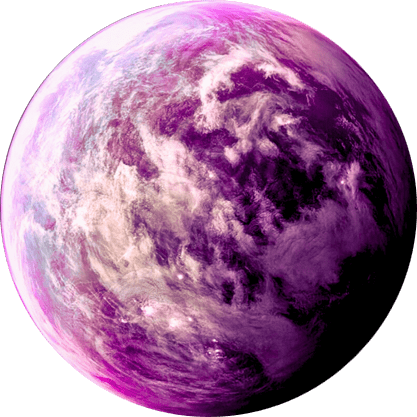
Finding life in clouds of other Earths
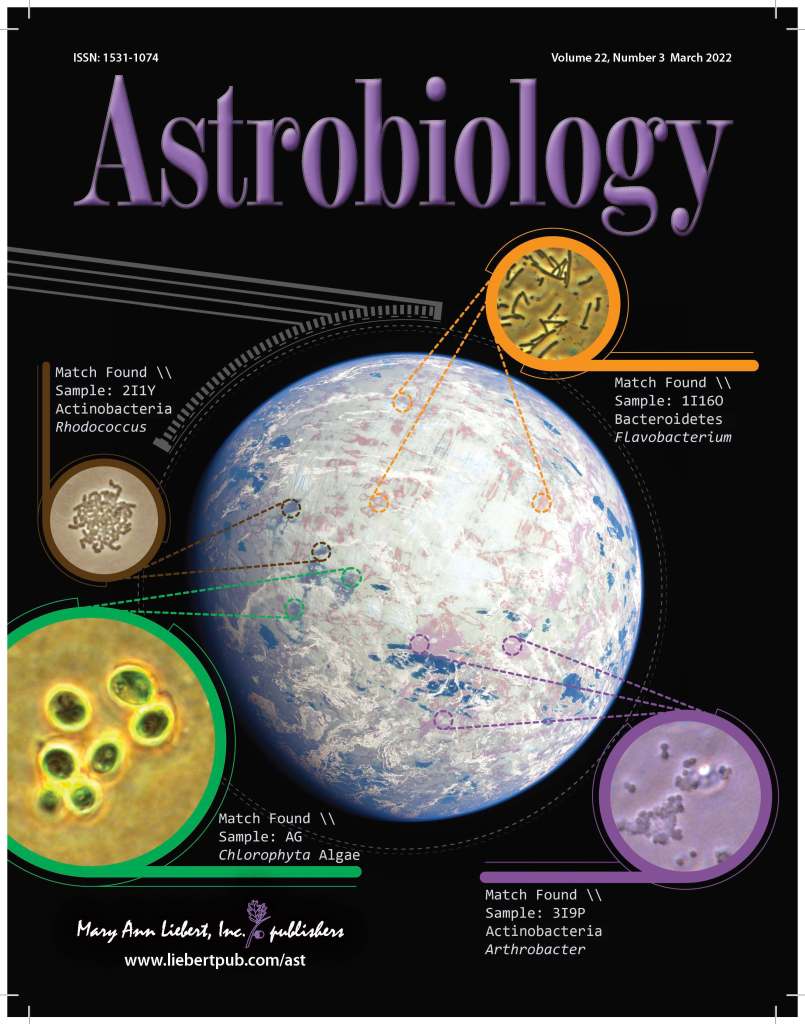
In this study, we present the first-ever reflectance spectra of microorganisms isolated directly from Earth’s atmosphere, uncovering a new class of biosignatures: the biopigments of aerial life. Our results show that clouds filled with pigmented microorganisms could be recognizable on distant Earth-like planets.
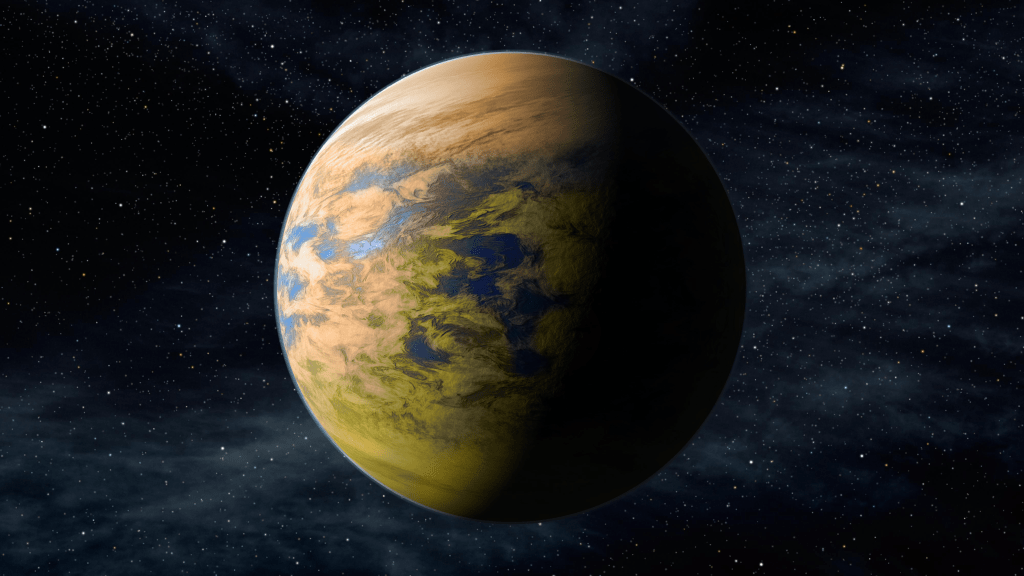
Purple is the new green!
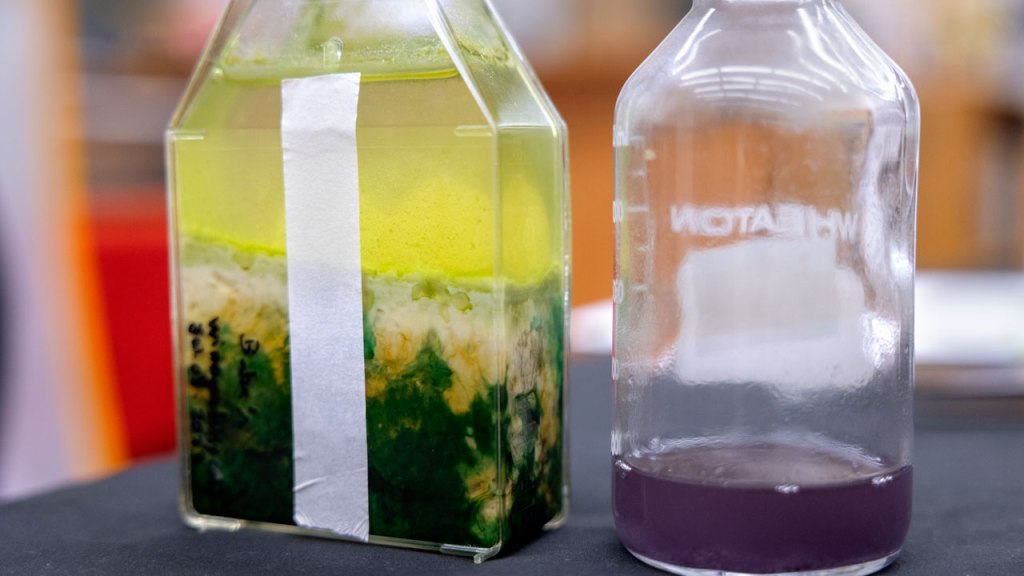
Did you know you can have photosynthesis in the dark? This paper provides a comprehensive database of reflectance spectra for a variety of purple bacteria, empowering astronomers to optimize search strategies for life with upcoming ground-based telescopes like the ELT’s and future space-based telescopes such as the HWO.

Surface biosignatures
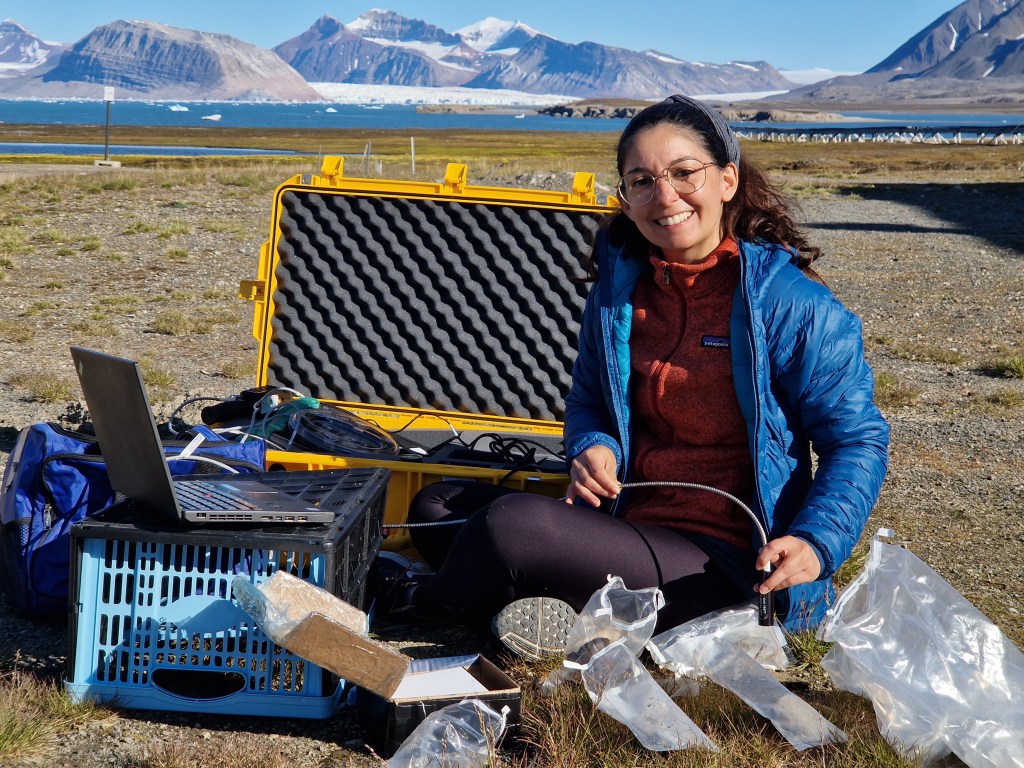
Ice is rich in colorful bacteria! For life to survive in ice surfaces it needs biopigments for protection against radiation, lack of resources, and changes in temperature. Imagine how colorful icy planets could be if they are habited? Here is a study with a database of reflectance spectra of a diverse set of microorganisms from cold environments.
Sustainable Space Exploration
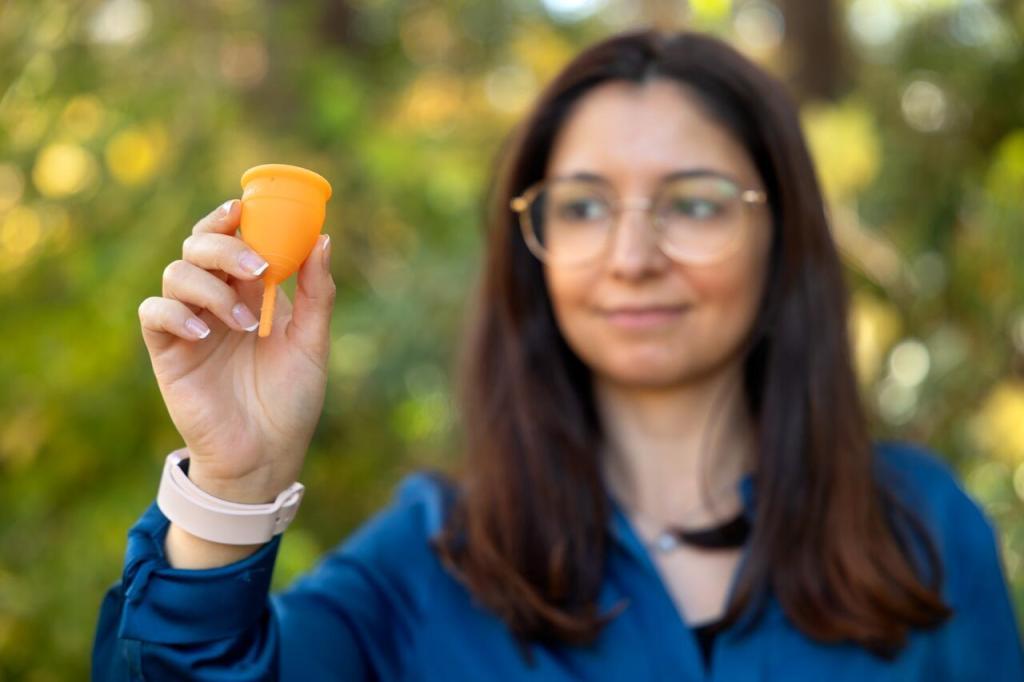
I have co-led the first experiment to test menstrual cups under real spaceflight conditions, marking a pioneering step toward sustainable solutions for the health autonomy of astronauts. We evaluated their performance under extreme forces, rapid pressure changes, intense vibration, and parachute deployment. Post-flight analyses revealed no leaks, no structural damage, and no material degradation, providing the first evidence that reusable menstrual technologies can withstand realistic launch environments. AstroCup lays the foundation for developing safe, autonomous menstrual-care systems for long-duration missions to the Moon, Mars, and beyond.
Full list of publications
 Lígia F. Coelho